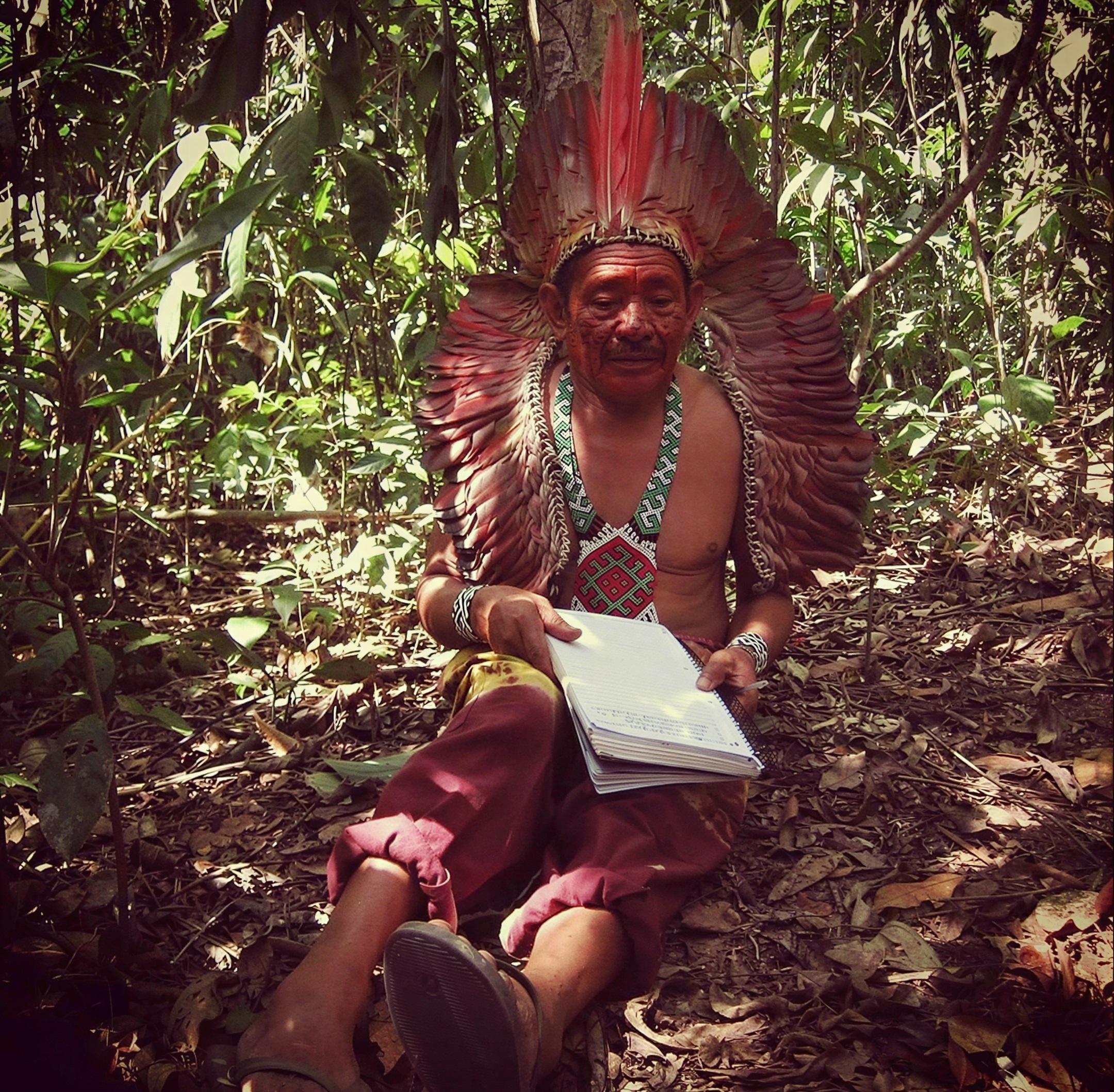
The scale of today’s global crises cannot be separated from the historical and ongoing exploitation of Indigenous Nations and the sacred sites they oversee.
Millions of advanced civilisations, communities and ecosystems are still recovering from generations of colonisation, displacement and systemic injustice. While the global economy continues to benefit from these destructive foundations, it is within these very Nations that exist the solutions we need to address global crises, limitations, ecological, educational, medical and cultural issues.
A History Of Genocide
The Indigenous experience is a shared struggle that all people of ancient culture face worldwide.
The loss of language, culture, ancestral lands and the extermination of the Indigenous way of life remains a critical threat to the survival of many Indigenous communities.
Intergenerational Consequences
The normalisation and world-wide acceptance that this mentality of colonisation, appropriation, consumerism and detachment from nature has become the natural way of life, placing humanity on the brink of extinction as our climate sits on the edge of collapse. Profit-driven, extractive industries have in the most unsustainable and inhumane ways exploited and capitalised on the lungs of the Earth and its ancient people, accelerating the degradation of these lands, causing the destruction of our world’s most diverse and abundant ecosystems.
Words From Volunteers
Sodales purus si neque habitasse eget integer finibus montes natoque aliquet arcu.
Current Challenges
Cultural, linguistic and knowledge erosion.
UNESCO says at least 40% of the more than 6,700 languages spoken worldwide are threatened with extinction. Indigenous peoples speak more than 4,000 of those languages.
Appropriation and commodification of Indigenous knowledge, spirituality and ceremonial practices.
It took the world more than 20 years to agree that companies patenting inventions built on Indigenous plant knowledge must disclose where that knowledge came from. The treaty still doesn’t address compensation for the communities.
Jurisdictional recognition and territorial sovereignty.
Even in legally recognised areas, many communities experienced tenure insecurity due to unchecked invasions of their territories.
Economic inequality and marginalisation.
Indigenous Peoples make up less than 6% of the world’s population, yet account for at least 15% of the world’s poorest.
Political and governance exclusion.
A 2025 evaluation of the Green Climate Fund found it “has not actively pursued a portfolio with Indigenous peoples” and that its processes lacked the flexibility to serve them.
Intergenerational trauma, health impacts and systemic disruption.
Indigenous life expectancy is up to 20 years lower than for non-Indigenous people.
The Side-Effects of Colonisation
Environmental degradation, deforestation and climate impacts.
Between 10985 and 2020, 90% of Amazon deforestation occured outside Indigenous Lands. Less than 1% of climate aid reaches the communities protecting the forests.
Extractive industry expansion and environmental contamination.
54% of 5,097 clean-energy mining projects are on or near Indigenous peoples’ lands.
Land dispossession, encroachment and displacement.
Land disputes were linked to more than half of the killings of land and environmental defenders in 2025. Roughly one third of those killed were Indigenous.
Forest Protection
0%
Climate Funding
0%
Legal Recognition
0%
Targeted Defenders
%
Spiritual Links
We are missing a spiritual link in our humanity.
A link that reminds us that the Earth is not simply a resource to extract, that human beings are not simply instruments of production and that the purpose of life cannot be reduced to financial accumulation, consumption or the pursuit of individual privilege. We have forgotten something fundamental about ourselves. Something that Indigenous Civilisations continue to represent, preserve and teach.
Where We Stand
We must in every way we can, help to repair the broken foundations upon which much of modern civilisation has been built.
If we in any way benefit from the genocide of Indigenous Civilisations and the destruction of the environments they oversee (which we all do) then we all share a duty to cultivate a human nature of service, reciprocity and reparations and collectively figure out the way forward with systemic change and ethical initiatives into every sector of modern society.
The Way Forward
The Indigenous and Ancient Civilisations carry the intergenerational intelligence, ecological stewardship, governance and vital wisdom essential for meaningful repair and long-term balance.
By supporting Indigenous communities, territories and leadership in developing systems and strategies that introduce intergenerational, ethically-driven governance, wisdom, infrastructure and principles into the core systems of modern society, we ensure that progress evolves in alignment with both wisdom and technology.