Indigenous Nations Alliance
Uniting Nations to work together in truth of our past and responsibility for our future

Indigenous Partnership
A Pathway To Healing
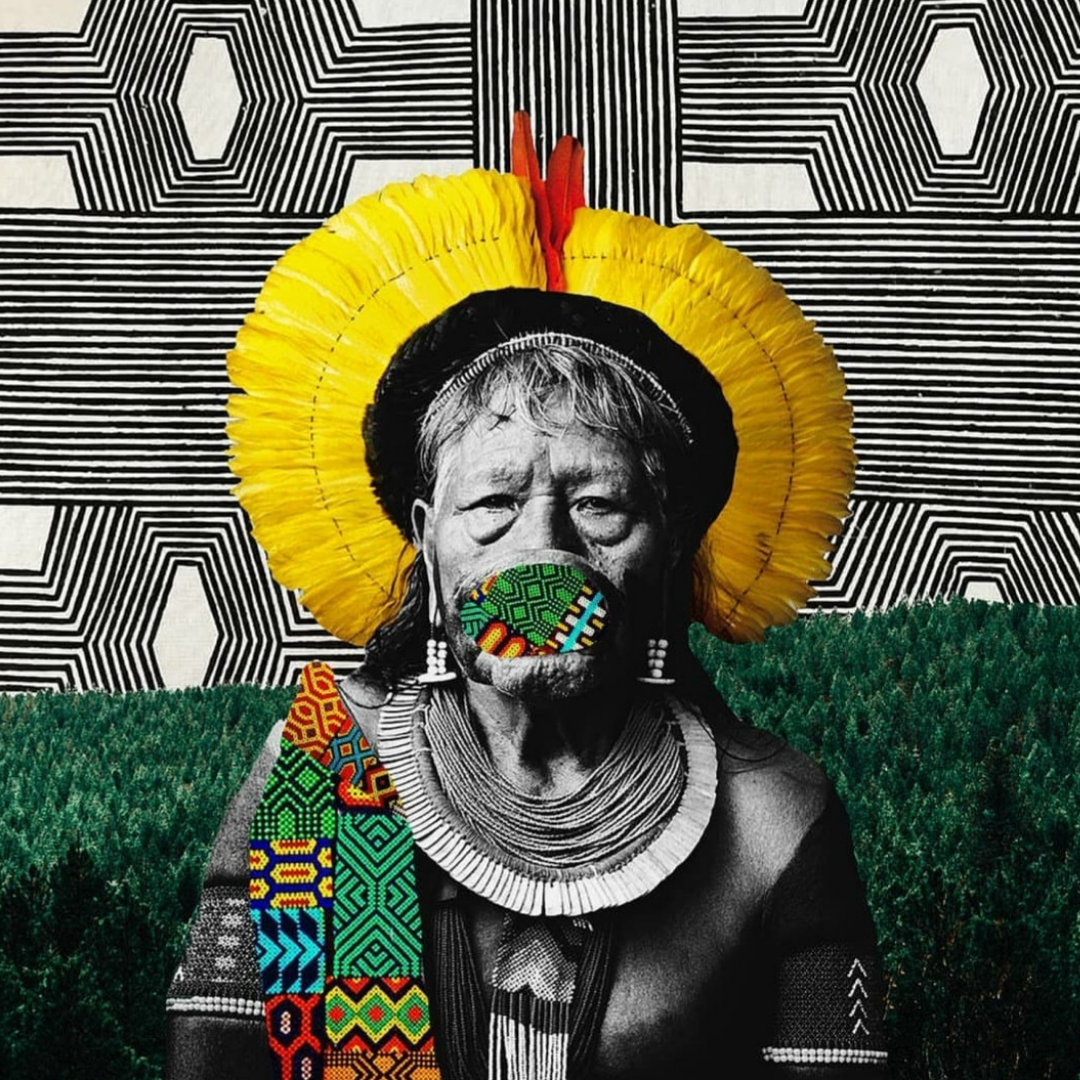
Partnering with Indigenous Nations is essential to healing, guidance, intergenerational preservation and the development of a life of true meaning. These partnerships must be rooted in respect, reciprocity, ethical practice and a genuine willingness to learn.
Indigenous Nations must be recognised as directors, guides, knowledge holders and essential partners in shaping the future. Their wisdom, medical technologies, environmental knowledge, spiritual teachings and cultural preservation practices have immense relevance to the challenges we face today.
Partnered Communities
Guided by the wisdom of the Indigenous Nations, we are dedicated to cultivating a civilisation that acknowledges historical truth, heals inherited wounds and commits to systemic, long-term solutions for planetary regeneration.
MOHAWK
Northeast / Great Lakes / St. Lawrence Region
MOHAWK
Mohawk Nation — Keepers of the Eastern Door
Guardians of the Eastern Door. Protectors of balance, diplomacy, and sacred law.
The Mohawk Nation — Kanien’kehá:ka, meaning People of the Flint — stands as the easternmost nation of the Haudenosaunee Confederacy, entrusted with the sacred responsibility of protecting the Eastern Door of the Great Longhouse. Within this role lives a profound civilisational duty: safeguarding peace, maintaining balance, and preserving one of humanity’s most advanced systems of governance rooted in natural law and spiritual responsibility.
For countless generations, Mohawk civilisation has cultivated deep knowledge of diplomacy, social harmony, ecological stewardship, and spiritual governance. The Great Law of Peace — a sophisticated framework for collective decision-making, unity, and intergenerational responsibility — represents a living model of balanced leadership and societal coherence.
Despite centuries of colonial pressure, territorial loss, and cultural suppression, Mohawk identity continues to embody resilience, sovereignty, and cultural continuity — guiding global humanity toward principles of unity, respect, and right relationship.
Origins & Territory
Mohawk origins arise within the northeastern woodlands of North America, across regions now spanning parts of present-day New York State, Quebec, and Ontario.
Sacred homelands include:
- The St. Lawrence River valley and surrounding forests
- Great Lakes ecosystems and river systems
- Eastern woodland territories rich in biodiversity
- Longhouse communities forming the social and spiritual center
Land exists as living relationship — a source of identity, law, sustenance, and spiritual guidance. Territory forms a sacred trust rather than possession, shaping cultural continuity and governance structures. The role as Keepers of the Eastern Door carries responsibility for protection of the Confederacy’s eastern boundary and preservation of peace.
History & Colonial Invasion
European colonization brought profound transformation and disruption.
Historical impacts include:
- Military conflict and shifting alliances during colonial wars
- Displacement from ancestral lands
- Missionary influence and cultural suppression
- Fragmentation of traditional territories through imposed borders
- Legal restrictions on governance and sovereignty
- Ongoing land disputes and treaty violations
Colonial systems sought to dismantle traditional governance and weaken cultural continuity. Yet Mohawk society preserved identity through resistance, adaptation, and spiritual continuity.
South America
Sacred Protectors Of The Living Earth
Ancient nations continue to live in profound covenant with the Earth. Their songs, ceremonies and sovereignty protect the last great living cathedrals of our planet. Through centuries of violence and colonial disruption, these nations have endured — carrying forward the original instructions of how to live in harmony with nature, spirit and community.
We honour and stand in alliance with these mighty civilizations — guardians of sacred knowledge, defenders of the future — whose existence is a gift to all humanity.
Remembering Our Indigenous Roots
Indigenous Nations across the world represent profound knowledge systems rooted in environmental care, spiritual responsibility, community, ancestral wisdom and intergenerational preservation.
They carry teachings about our relationship with nature, our responsibilities to one another, the importance of future generations and the spiritual awareness that we all carry within ourselves. These are not simply cultural traditions to observe or historical knowledge to admire. They are essential blueprints for the modern world.
Remembering Our Indigenous Roots
Indigenous Nations across the world represent profound knowledge systems rooted in environmental care, spiritual responsibility, community, ancestral wisdom and intergenerational preservation. They carry teachings about our relationship with nature, our responsibilities to one another, the importance of future generations and the spiritual awareness that we all carry within ourselves. These are not simply cultural traditions to observe or historical knowledge to admire. They are essential blueprints for the modern world.
North America & Canada
Sacred custodians of the land, keepers of the original instructions
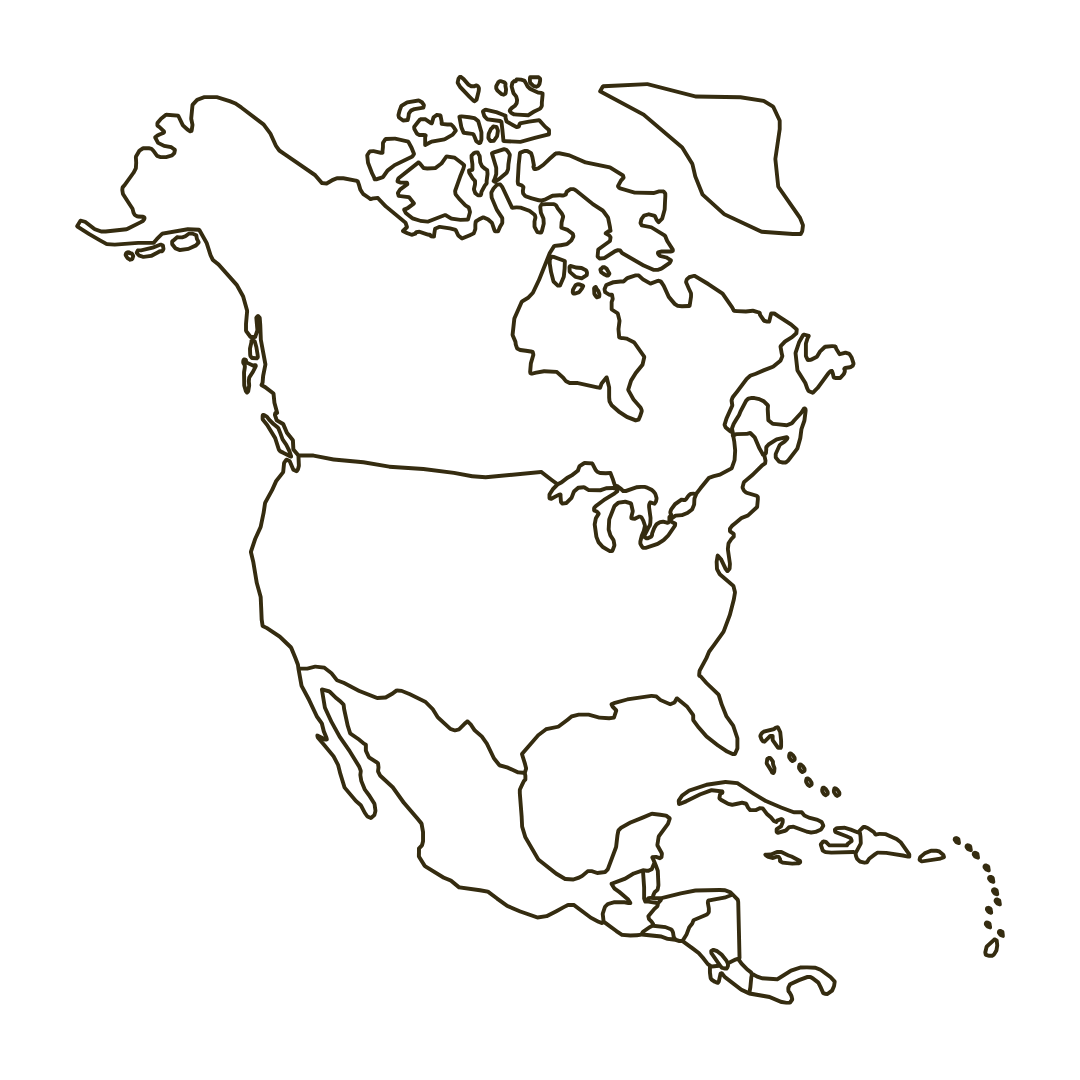
In the vastness of Turtle Island, from the northern forests of Canada to the plains and mountains of the United States, Indigenous Nations carry the teachings of the Earth. These teachings, passed down through generations, are the lifeblood of our planet’s resilience, offering a deep connection to the land, the spirits and the future of all life.
As we face modern challenges, we turn to the wisdom of these nations, whose leadership, sovereignty, ceremonies and sacred responsibility stand as a guiding light.
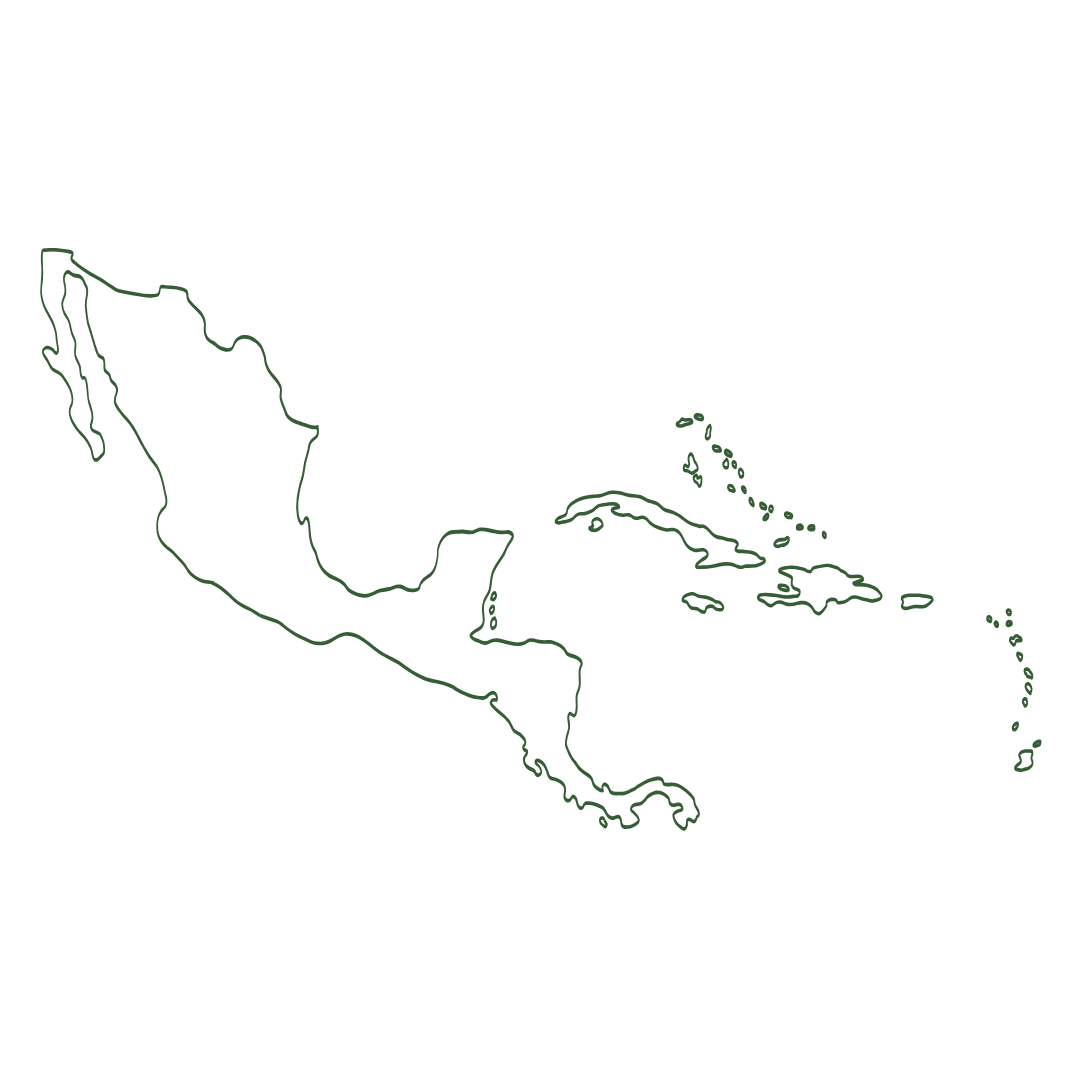
Mesoamerica & The Andes
Sacred Guardians of Ancient Knowledge, Plant Medicine, and Cosmic Wisdom
The Civilisations and Nations of Mesoamerica and the Andes stand as enduring symbols of resilience, having faced centuries of colonialism, exploitation, and cultural erasure.
Despite the devastating impacts of European invasion, these ancient peoples have maintained their sacred medicines, shamanic traditions, and deep spiritual connection to the Earth. Their cultures continue to thrive, offering the world vital lessons in harmony, healing, and the interdependence of all life.
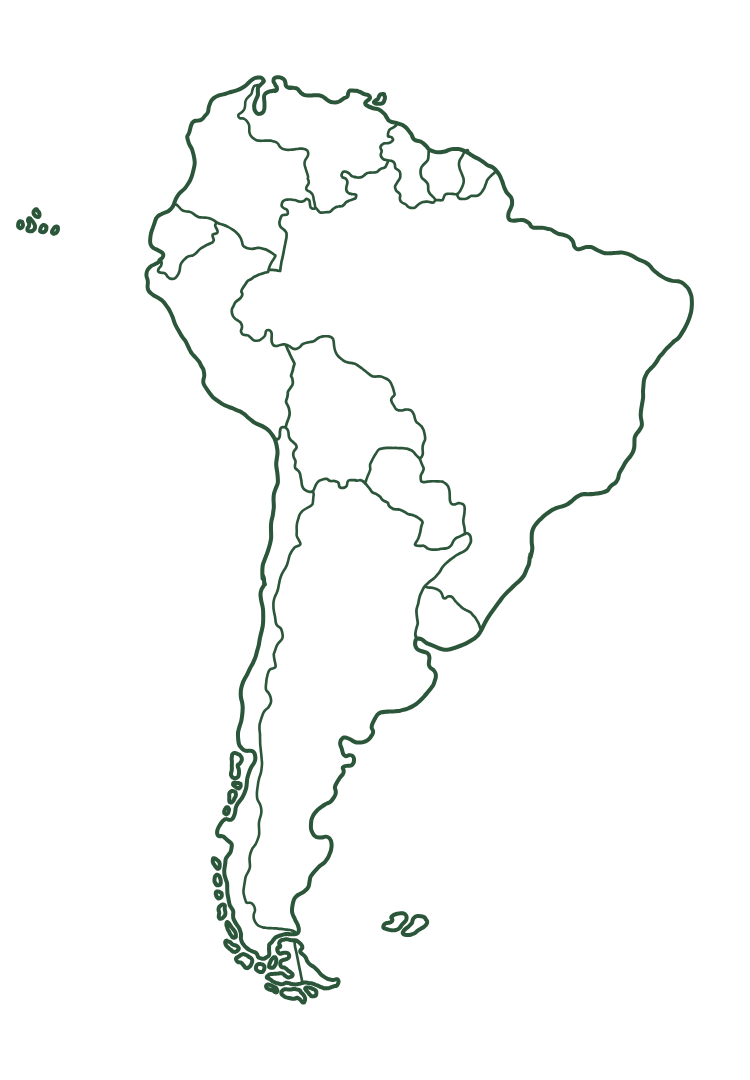
South America
Sacred Protectors Of The Living Earth
Ancient nations continue to live in profound covenant with the Earth. Their songs, ceremonies and sovereignty protect the last great living cathedrals of our planet.
Through centuries of violence and colonial disruption, these nations have endured — carrying forward the original instructions of how to live in harmony with nature, spirit and community.
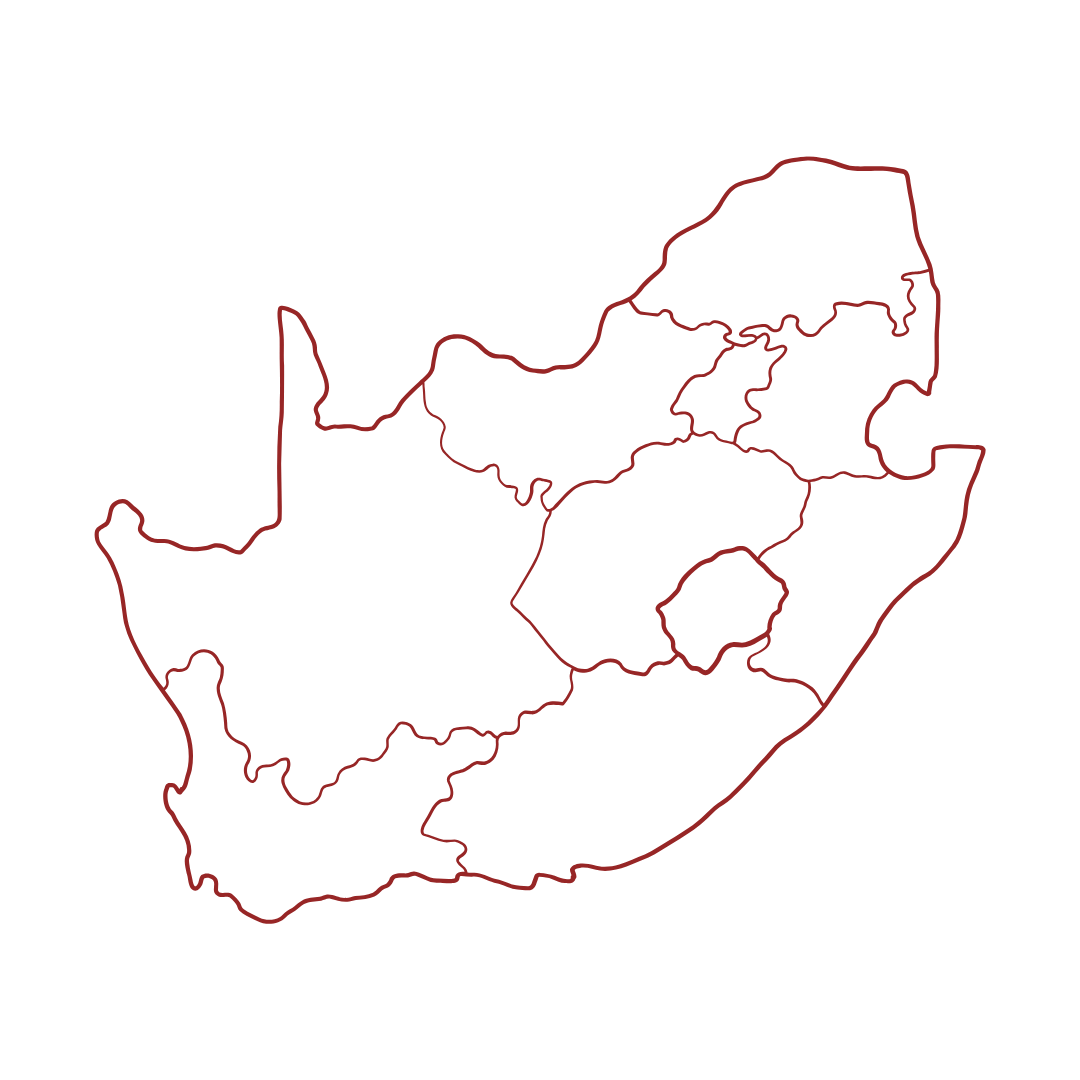
South Africa
Guardians of Ancestral Wisdom, Protectors of Sacred Lands
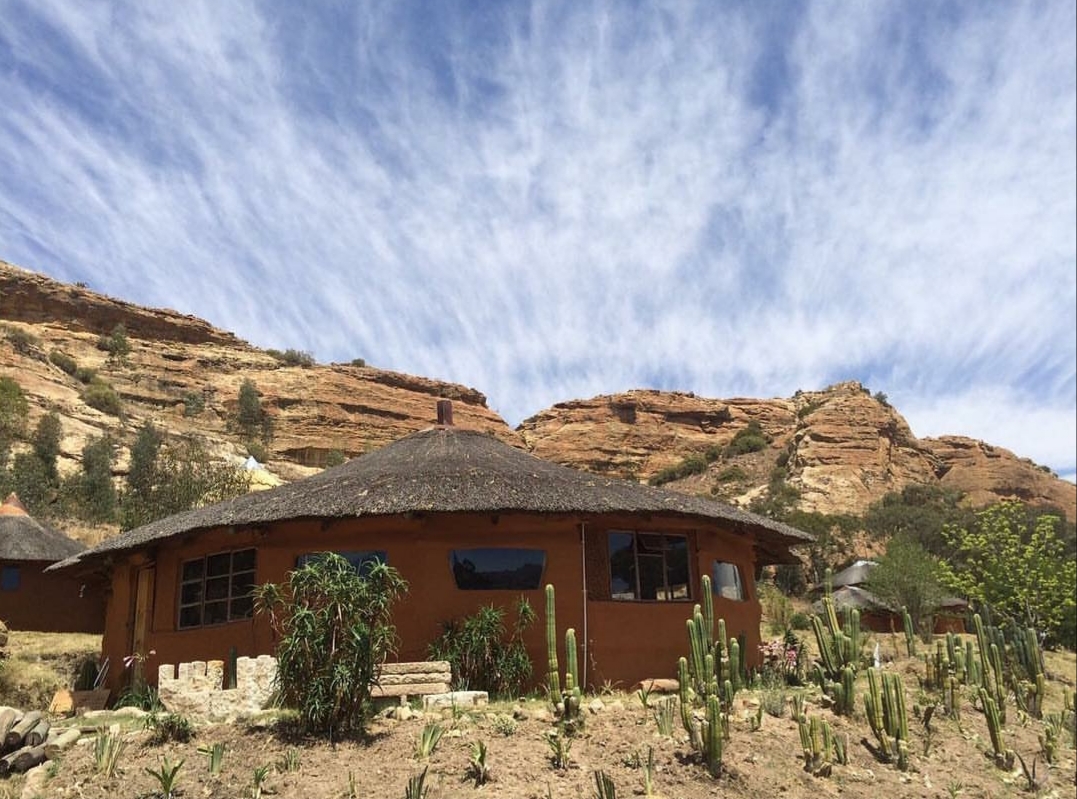
Across the ancient landscapes of Southern Africa, Indigenous Nations carry some of humanity’s oldest living traditions — rooted in a profound relationship with the land, its medicines, the natural world and the spiritual connection between all living things. Their ancestral wisdom reflects an enduring way of life grounded in harmony with nature, community and spirit.
Through centuries of colonisation, dispossession and cultural suppression, these nations have endured, continuing to protect the knowledge, traditions and sacred relationship with the Earth carried through generations.
Intergenerational Healing
We have everything to learn from these Ancient Civilisations, particularly as we confront the consequences of the systems we have created and inherited. The Western world is a very young civilisation in comparison to the ancient nations, and we must approach this reality with extraordinary humility.
We honour and stand in alliance with these mighty Civilisations — guardians of sacred knowledge, defenders of the future — whose existence is a gift to all humanity. Whose living cultures remind us of the ancient truths and present-day actions that will lead us back to balance.
Global Indigenous Alliance
We have everything to learn from these Ancient Civilisations, particularly as we confront the consequences of the systems we have created and inherited. The Western world is a very young civilisation in comparison to the ancient nations, and we must approach this reality with extraordinary humility.
We honour and stand in alliance with these mighty Civilisations — guardians of sacred knowledge, defenders of the future — whose existence is a gift to all humanity. Whose living cultures remind us of the ancient truths and present-day actions that will lead us back to balance.
HUNI-KUIN NATION
Western Amazon (Brazil & Peru)
HUNI-KUIN NATION
Huni-Kuin — The True Human
Huni-Kuin means “True” or “Real Human” — a name that reflects the pure spirit, heart, and essence of these people.
The name Huni-Kuin expresses a profound understanding of human existence. True humanity emerges through alignment between heart, spirit, and nature — life lived in reciprocity, truth, and balance with the forces of creation. This identity reflects humanity in original form: awareness of interconnection, reverence for life, and responsibility toward future generations.
Today, the Huni-Kuin remain the largest Indigenous population in the Brazilian state of Acre, living across twelve territories along seven rivers: Purus, Envira, Murú, Humaitá, Tarauacá, Breu, and Jordão. Their lands stretch all the way to the eastern foothills of the Andes in Peru.
Guardians of the Amazon • Keepers of Sacred Medicine • Carriers of Ancient Vision
For millennia, Huni-Kuin life has unfolded within the vast living body of the Amazon Rainforest, cultivating sophisticated systems of medicine, spiritual science, and communal governance rooted in harmony with Earth.
This civilisation emerged within the world’s greatest sanctuary of biodiversity — a living pharmacy, spiritual university, and cosmological field where knowledge flows through vision, ceremony, and direct relationship with the intelligence of the forest. Healing within Huni-Kuin tradition expresses one of humanity’s most advanced systems of integrative medicine — vibrational, relational, ecological, and intergenerational.
Despite devastating colonial violence, enslavement, and attempts at cultural erasure, Huni-Kuin culture has preserved and revitalised ceremonial traditions. Today this living wisdom guides humanity toward ecological remembrance, spiritual responsibility, and planetary healing.
Territory & Sacred Origins
Huni-Kuin communities inhabit the western Amazon across Brazil and Peru, living across vast rainforest territories connected by sacred river systems including the Purus, Envira, Murú, Humaitá, Tarauacá, Breu, and Jordão rivers. These waterways form part of one of Earth’s most biodiverse ecosystems.
For Huni-Kuin consciousness, territory is not property but living presence. The forest exists as a sentient field of intelligence — an interconnected organism composed of rivers, plants, animals, spirits, and ancestral memory. Identity, social structure, medicine, and cosmology arise directly from this relationship.
The rainforest serves as home, teacher, and spiritual foundation — shaping worldview, guiding development, and sustaining cultural continuity.
YAWANAWA
Brazil (Acre, Western Amazon)
Fund raised
$71,445
71%
KAYAPÓ
Brazilian Amazon (Xingu Basin)
Fund raised
$55,113
55%
XINGU
(Xingu Indigenous Park, Central Amazon)
Fund raised
$23,756
48%
ASHANINKA
Central Amazon (Peru & Brazil)
Fund raised
$23,756
48%
MOHAWK
Northeast / Great Lakes / St. Lawrence Region
MOHAWK
Mohawk Nation — Keepers of the Eastern Door
Guardians of the Eastern Door. Protectors of balance, diplomacy, and sacred law.
The Mohawk Nation — Kanien’kehá:ka, meaning People of the Flint — stands as the easternmost nation of the Haudenosaunee Confederacy, entrusted with the sacred responsibility of protecting the Eastern Door of the Great Longhouse. Within this role lives a profound civilisational duty: safeguarding peace, maintaining balance, and preserving one of humanity’s most advanced systems of governance rooted in natural law and spiritual responsibility.
For countless generations, Mohawk civilisation has cultivated deep knowledge of diplomacy, social harmony, ecological stewardship, and spiritual governance. The Great Law of Peace — a sophisticated framework for collective decision-making, unity, and intergenerational responsibility — represents a living model of balanced leadership and societal coherence.
Despite centuries of colonial pressure, territorial loss, and cultural suppression, Mohawk identity continues to embody resilience, sovereignty, and cultural continuity — guiding global humanity toward principles of unity, respect, and right relationship.
Origins & Territory
Mohawk origins arise within the northeastern woodlands of North America, across regions now spanning parts of present-day New York State, Quebec, and Ontario.
Sacred homelands include:
- The St. Lawrence River valley and surrounding forests
- Great Lakes ecosystems and river systems
- Eastern woodland territories rich in biodiversity
- Longhouse communities forming the social and spiritual center
Land exists as living relationship — a source of identity, law, sustenance, and spiritual guidance. Territory forms a sacred trust rather than possession, shaping cultural continuity and governance structures. The role as Keepers of the Eastern Door carries responsibility for protection of the Confederacy’s eastern boundary and preservation of peace.
History & Colonial Invasion
European colonization brought profound transformation and disruption.
Historical impacts include:
- Military conflict and shifting alliances during colonial wars
- Displacement from ancestral lands
- Missionary influence and cultural suppression
- Fragmentation of traditional territories through imposed borders
- Legal restrictions on governance and sovereignty
- Ongoing land disputes and treaty violations
Colonial systems sought to dismantle traditional governance and weaken cultural continuity. Yet Mohawk society preserved identity through resistance, adaptation, and spiritual continuity.
Fund raised
$55,113
55%
Fund raised
$71,445
71%